
Stitching the Loop E-Textiles Curriculum for ECS Teachers
In our new curriculum unit, students explore electronic textiles (e-textiles): articles of clothing, accessories, or home furnishings with embedded electronic and computational elements. This curriculum is an alternate for Unit 6: Robotics. After conducting various studies on curriculum design, teaching strategies, student learning, and portfolio designs, this unit is ready for download and classroom implementation […]
Exploring Computer Science research-based, high school intro-level curriculum and teacher professional development
Exploring Computer Science is a year-long, research-based, high school intro-level computer science curriculum and teacher professional development program that focuses on broadening participation in computing. We support teachers and districts through implementation of the course regardless of school resources.
Kapor Center’s Culturally Responsive Curriculum Framework Guide

Computer Science as a Foundational Literacy As technological innovation and advancement continues to impact all industries and sectors of the economy, influencing every aspect of our lives including how we work, learn, and communicate, computational literacy is critical for all students. Equitable access to computer science education is a critical national priority to address racial […]
NCWIT Counselors for Computing
Educators and students alike look to professional school counselors for ways to encourage a broader range of students to pursue computing. But knowing where to start is hard, even for the most experienced counselors. NCWIT can help counselors remove the barriers so students choose to learn computing, consider pursuing technical career paths, and believe their […]
Incorporate computational thinking (CT) into the elementary school curricula

Southern Oregon Computer Science for All (SOCS for All) is an ongoing research project that includes educators from the Ashland and Phoenix Talent school districts and researchers from Southern Oregon University, Oregon State University and William & Mary. We all collaborate as a researcher practitioner partnership (RPP) and our work is funded by the National […]
Computer Science Teachers’ Association
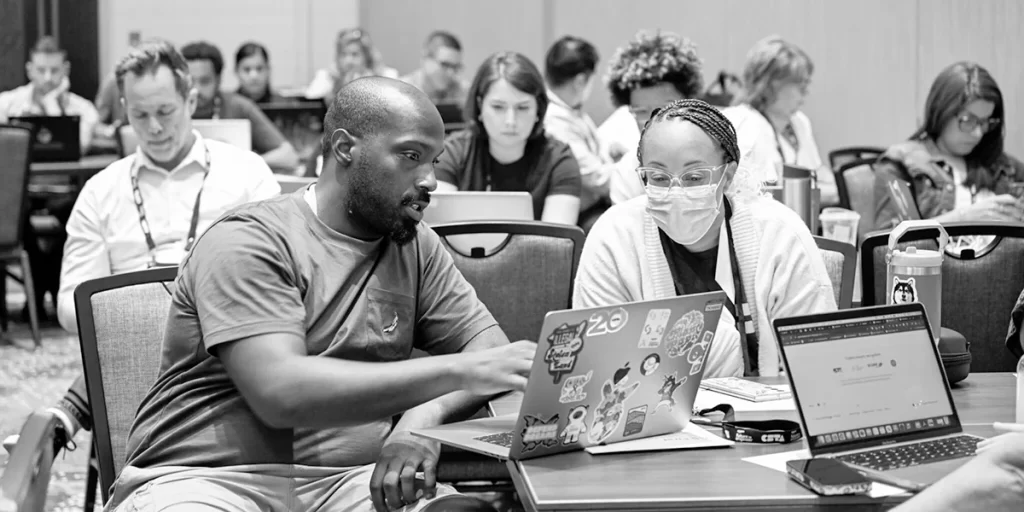
CSTA understands that teaching computer science is hard. That’s why we’re focused on creating a supportive environment for K–12 educators.
K-12 Computer Science Framework

The Association for Computing Machinery, Code.org, Computer Science Teachers Association, Cyber Innovation Center, and National Math and Science Initiative have collaborated with states, districts, and the computer science education community to develop conceptual guidelines for computer science education. The K–12 Computer Science Framework comes at a time when our nation’s education systems are adapting to […]
Oregon Statewide Computer Science Implementation Plan

In May 2022, the Oregon Department of Education (ODE) and the Higher Education Coordinating Commission (HECC) received a directive to develop a statewide implementation plan for computer science education to ensure access to comprehensive computer science education opportunities to every public school student in this state by the 2027-2028 school year. The Computer Science Education […]